Neraidospilios (Fairy Cave): A Mystical Oasis in Heraklion, Crete
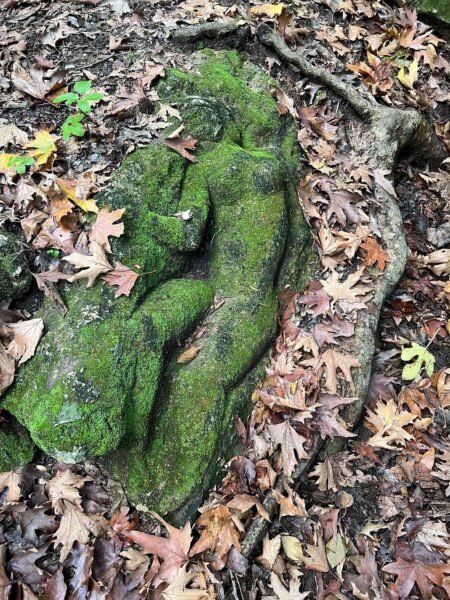
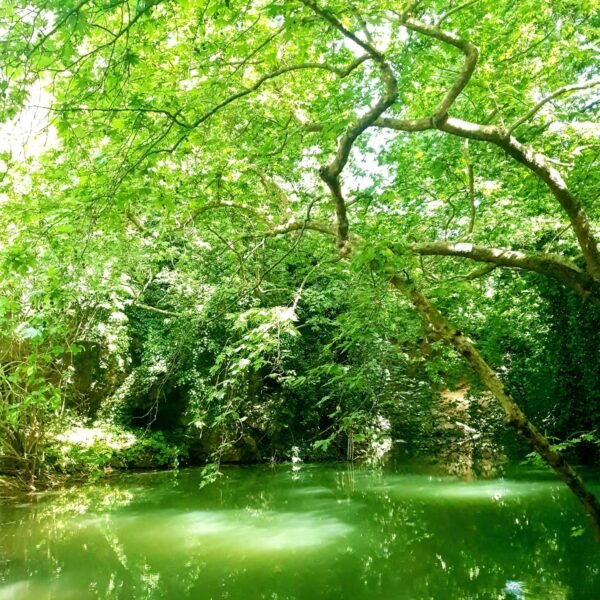
Tucked away in the emerald embrace of the Astrakian Gorge, just 23 kilometers from Heraklion city and minutes from Sgourokefali, Neraidospilios (translated as the Fairy Cave) is one of Crete’s most enchanting natural and mythological landmarks. It is a rare destination where untamed nature, ancient history, and local folklore seamlessly intertwine.
🌿 The Landscape: A Hidden Green Paradise
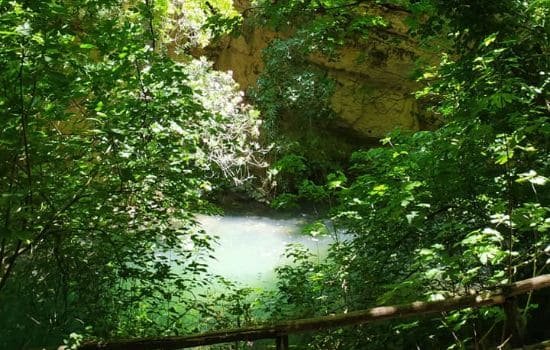
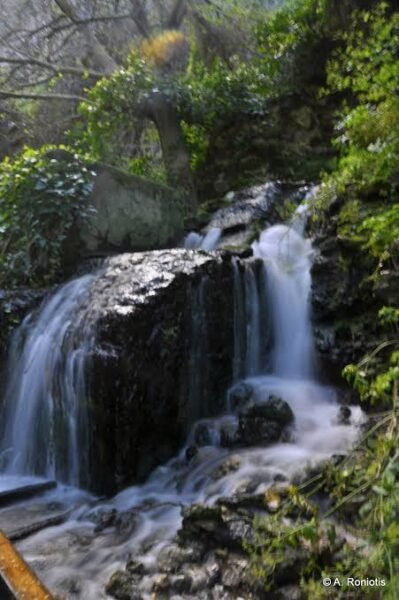
Neraidospilios is situated within the 12.5-kilometer-long Astrakian Gorge, a lush ecosystem fed by natural running springs. As you approach the cave, the dry Cretan heat disappears, replaced by a cool, shaded microclimate dense with plane trees, wild vegetation, and flowing waters.
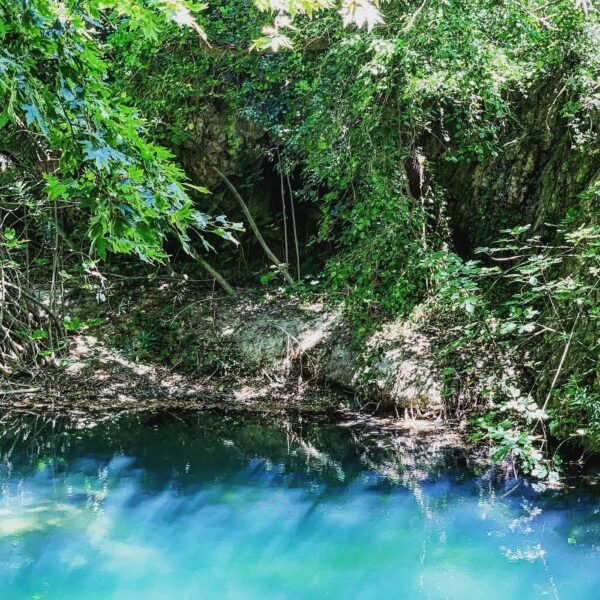
Right outside the entrance of this small, two-story cave, the crystal-clear spring water pools into a stunning, picturesque little lake—frequently visited by local ducks and geese—creating a fairy-tale setting perfect for photography and picnics.
🏛️ Ancient History: The Sanctuary of Athena Tritogeneia
Long before it became a staple of Cretan folklore, the cave held profound religious importance. According to the prominent French archaeologist Paul Faure, Neraidospilios served in ancient times as a sacred sanctuary dedicated to Athena Tritogeneia.
The ancient epithet Tritogeneia is directly linked to the Karteros River flowing through the gorge, which was known in antiquity as the Triton River. Archaeological excavations have revealed traces of human carvings, a stone altar, and devotional pottery proving it was a site of ancient worship.
🧚♂️ The Legend of the Lyre Player and the Fairies
The cave’s modern name comes from a deeply rooted local legend. Locals say that the cave’s dense greenery and pure waters made it the favorite home of the Neraides (Fairies).
According to the myth, a talented young village lyre player once snuck into the gorge at night, drawn by ethereal singing. He discovered the beautiful fairies dancing under the moonlight. Entranced by their beauty, he began playing his Cretan lyre to accompany them. The fairies, thrilled by his music, let him return night after night, but the spellbound musician eventually lost his mind from their supernatural beauty.
🚰 Modern Significance
In the early 20th century, the heavy water flow from the cave’s inner springs was harnessed to construct part of the historic Astrakoi aqueduct. This engineering feat supplied the city of Heraklion with fresh drinking water for decades. Today, the old aqueduct works still stand as a reminder of the area’s rich water history.
🥾 Practical Information for CretanHub Readers
- Location: Bordering Sgourokefali, Myrtia, and the abandoned village of Kato Astraki.
- Best Time to Visit: Spring and early summer when the water levels are high and the foliage is at its greenest.
- Hiking Gear: The short walk from the designated parking area to the cave is relatively easy, but the trail can be slippery due to the high humidity. Strongly recommend your readers wear sturdy athletic or anti-slip shoes.
- Connectivity: Cell phone signal can drop significantly inside the gorge. Advise your readers to download offline maps before setting out!